
The Enlisted Ranks
The enlisted service members are the backbone of the military profession. They have specific specialties within a military unit, perform specific job functions and have the knowledge that ensures the success of their unit's current mission.
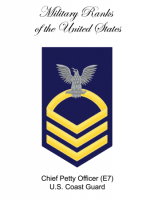
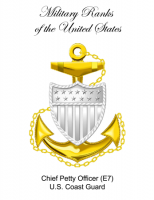
Leadership responsibility significantly increases in the mid-level enlisted ranks. This responsibility is given formal recognition by use of the terms noncommissioned officer and petty officer.
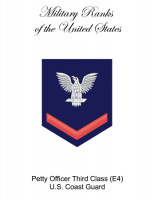
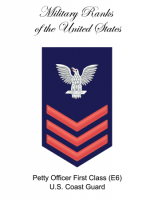
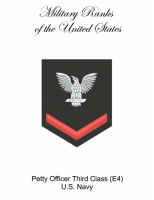
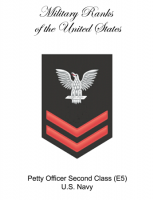
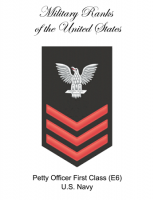
An Army sergeant, an Air Force staff sergeant, and a Marine corporal are considered NCO ranks. The Navy and Coast Guard NCO equivalent, petty officer, is achieved at the rank of petty officer third class.
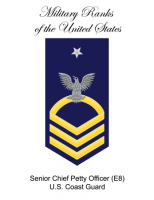
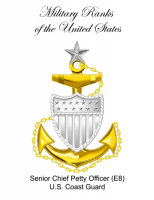
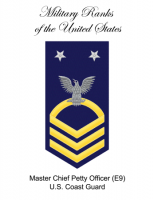
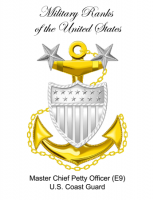
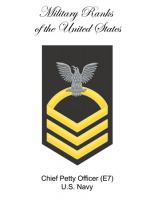
At the E-8 level, the Army, Marines and Air Force have two positions at the same pay grade. Whether one is, for example, a senior master sergeant or a first sergeant in the Air Force depends on the person's job. The same is true for the positions at the E-9 level.
Marine Corps master gunnery sergeants and sergeants major receive the same pay but have different responsibilities. All told, E-8s and E-9s have 15 to 30 years on the job, and are the Commanding Officer's senior advisers for enlisted matters.
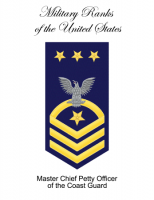
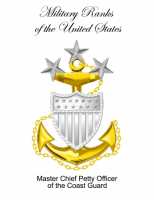
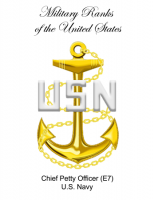
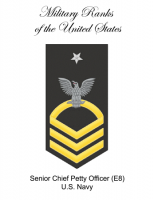
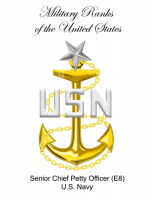
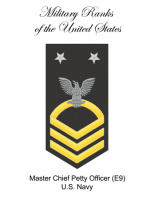
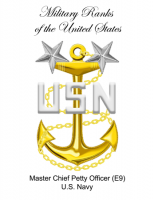
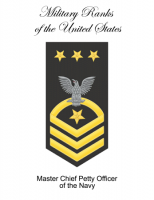
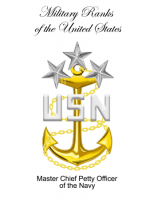
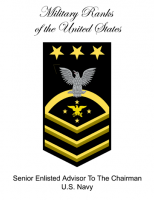
A third E-9 element is the senior enlisted person of each service. The Sergeant Major of the Army, the Sergeant Major of the Marine Corps, the Master Chief Petty Officer of the Navy, the Chief Master Sergeant of the Air Force, the Chief Master Sergeant of the Space Force, and the Master Chief Petty Officer of the Coast Guard are the spokespersons of the enlisted force at the highest levels of their services.
AIR FORCE


ARMY


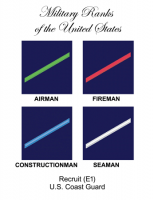
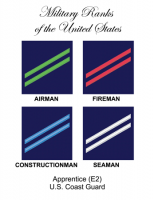
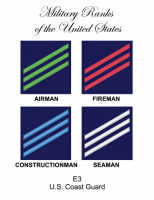
COAST GUARD

MARINE CORPS


NAVY
SPACE FORCE


